

-
About JinhuiEstablished in 1999, the company is located in Pingdu City, Qingdao, Shandong Province, a prime production area for high-quality flake graphite in China.
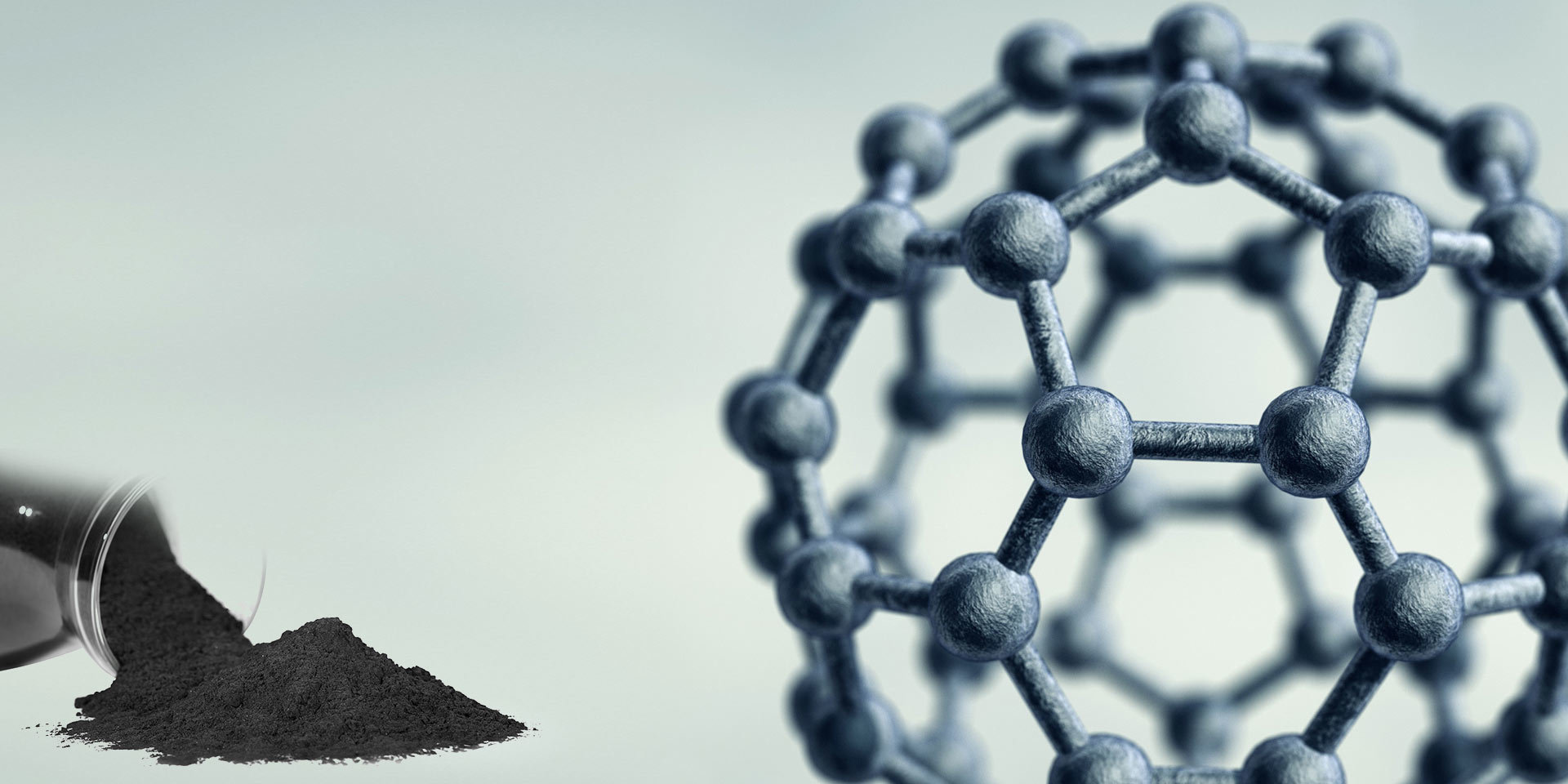

Common preparation methods for expandable graphite
Release Date:
2020-03-19
1. Chemical intercalation method: The initial raw material used for preparation is high-carbon flaky graphite. Other chemical reagents such as concentrated sulfuric acid (above 98%), hydrogen peroxide (above 28%), potassium permanganate, etc., are all industrial-grade reagents. The general preparation steps are: at an appropriate temperature, different ratios of hydrogen peroxide solution, natural flaky graphite, and concentrated sulfuric acid are added in different procedures and reacted for a certain period under continuous stirring. Then, they are washed with water until neutral, centrifuged, dehydrated, and vacuum dried at 60 ℃.
2. Electrochemical method: Treating graphite powder in a strong acid electrolyte to produce expandable graphite hydrolysis, washing, and drying. Sulfuric acid or nitric acid is mainly used as the strong acid. The product obtained by this method expandable graphite has a low sulfur content.
3. Ultrasonic oxidation method: During the preparation of expandable graphite, the electrolyte for anodic oxidation is subjected to ultrasonic vibration. The duration of ultrasonic vibration is the same as that of anodic oxidation. Since ultrasonic vibration of the electrolyte promotes the polarization of the cathode and anode, it accelerates the rate of anodic oxidation and shortens the oxidation time.
4. Vapor phase diffusion method: Graphite and the intercalant are placed at opposite ends of a vacuum-sealed tube. The intercalant end is heated, and the temperature difference between the two ends creates the necessary reaction pressure difference, allowing the intercalant to enter the flaky graphite layers as small molecules, thereby producing expandable graphite. The number of layers of expandable graphite produced by this method can be controlled, but its production cost is high.
5. Molten salt method: Several intercalants are mixed with graphite and heated to form a composite, resulting in expandable graphite 。
Previous Page:
Next Page:
More News
 0532-86378899

 联系我们
联系我们 
Qingdao Jinhui Graphite Co., Ltd.
Address: Nantanpo Village, Zhangshe Town, Pingdu City, Qingdao, Shandong Province, China
Fax: 0532-87389988
15253235217General Manager Wang,15263665989Manager Cao
Email:
jinhuishimo1999@sina.com
Product Series
Business inquiry
Note: Please leave your contact information, our professionals will contact you as soon as possible!
Copyright © 2022 Qingdao Jinhui Graphite Co., Ltd. All Rights Reserved