

-
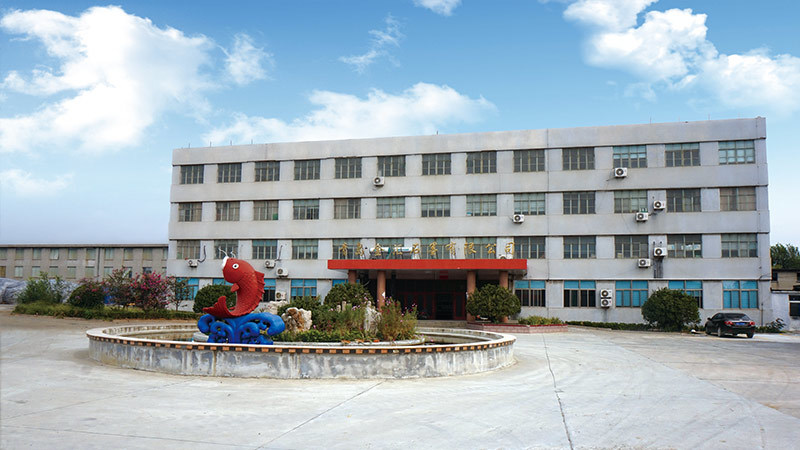
About JinhuiEstablished in 1999, the company is located in Pingdu City, Qingdao, Shandong Province, a prime production area for high-quality flake graphite in China.


Graphite Purification Methods (Part 1)
Release Date:
2020-04-04
Flotation is a conventional mineral purification method that uses less energy and reagents, and has lower costs, which is a significant advantage for graphite purification. However, using flotation for graphite purification can only achieve a limited improvement in graphite grade. For flake graphite, multi-stage grinding not only fails to fully dissociate it into individual particles but also is detrimental to protecting large graphite flakes. Therefore, further increasing graphite grade using flotation is neither economical nor scientific. To obtain high-carbon graphite with a carbon content of over 99%, chemical methods must be used for purification.
(I) Chlorination Roasting Method
The low roasting temperature and smaller chlorine gas consumption of the chlorination roasting method allow for graphite a significant reduction in production costs. At the same time, the carbon content of the graphite product is comparable to that obtained by the hydrofluoric acid method. In comparison, the chlorination roasting method has a higher recovery rate. However, due to chlorine gas being toxic and highly corrosive, it requires high demands on equipment operation, strict sealing, and proper treatment of tail gas, which to some extent limits its widespread application.
(II) Alkali-Acid Purification Method
Graphite purified by the alkali-acid method can achieve a carbon content of over 99%. It features low one-time investment, high product grade, and strong process adaptability, along with the advantages of conventional and versatile equipment (besides graphite, many non-metallic minerals can also be purified using the alkali-acid method). The alkali-acid method is currently a widely applied method in China. Its disadvantages include high energy consumption, long reaction time, graphite significant losses and serious wastewater pollution.
Previous Page:
Next Page:
More News
 0532-86378899

 联系我们
联系我们 
Qingdao Jinhui Graphite Co., Ltd.
Address: Nantanpo Village, Zhangshe Town, Pingdu City, Qingdao, Shandong Province, China
Fax: 0532-87389988
15253235217General Manager Wang,15263665989Manager Cao
Email:
jinhuishimo1999@sina.com
Product Series
Business inquiry
Note: Please leave your contact information, our professionals will contact you as soon as possible!
Copyright © 2022 Qingdao Jinhui Graphite Co., Ltd. All Rights Reserved